新闻今日谈
'Decoding the Book of Xi Jinping: The Governance of China' 27th installment: Striving for greater strength and self-reliance in science and technology_我的网站

A |
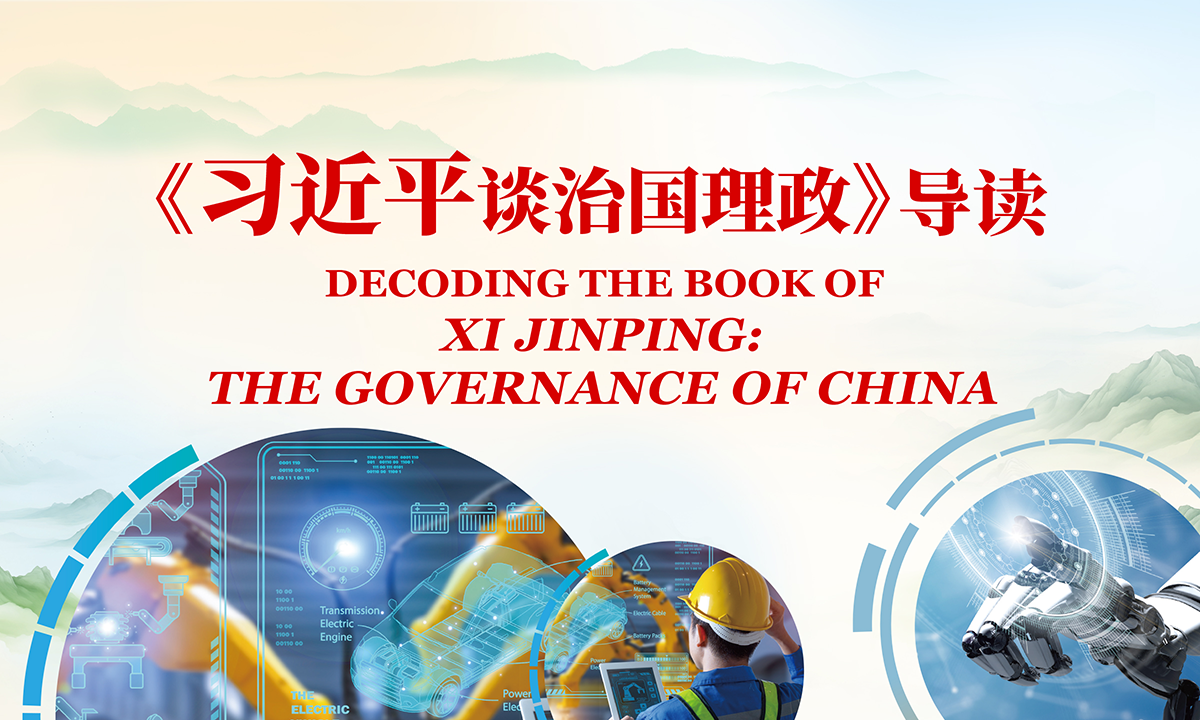
Photo: Global Times
Editor's Note:
Ahead of the opening of the 2026 World AI Conference and High-Level Meeting on Global AI Governance, Chinese AI start-up Moonshot AI released its Kimi K3 large language model. As the world's largest open-source model by parameter count to date, this launch marks a significant step forward in the development of China's artificial intelligence models.
From the C919 airliner soaring into the skies to Unitree's humanoid robots stealing the show; from DeepSeek pushing the AI frontier to Moonshot AI's landmark unveiling of Kimi K3 - China's wave of homegrown innovations has dominated global headlines in recent years, delivering a steady stream of breakthroughs.
At a meeting in Beijing that brought together the national science and technology award conference, the general assemblies of the members of the Chinese Academy of Sciences (CAS) and the Chinese Academy of Engineering (CAE), and the 11th national congress of the China Association for Science and Technology in July, Chinese President Xi Jinping, also general secretary of the Communist Party of China (CPC) Central Committee and chairman of the Central Military Commission, stressed that the 15th Five-Year Plan period (2026-2030) is a critical phase for tackling tough challenges in building up the country's strength in science and technology.
"We must seize the historic opportunity, rise to the challenges of the times, accelerate efforts to achieve high-level self-reliance and strength in science and technology, and make steady progress toward the 2035 goal of becoming a leading country in science and technology," he said.
In the article "Strive for Greater Strength and Self-Reliance in Science and Technology" included in the fourth volume of
Xi Jinping: The Governance of China, Xi pointed out, "Through years of endeavor, our country's overall strength in science and technology has improved substantially. We therefore have a solid foundation, and are fully confident in our ability to seize the opportunities offered by the new revolution in science, technology and industry to achieve greater results." The article also mentioned that "We should participate to the full in global science and technology governance, contribute Chinese wisdom, and shape a philosophy of technology for good purposes, so that science and technology better serve human wellbeing, and enable China's science and technology industry to contribute more to building a global community of shared future."
In the 27th installment of the special series "Decoding the Book
Xi Jinping: The Governance of China," the Global Times, along with the People's Daily Overseas Edition, continues to invite Chinese and foreign scholars, translators of Xi's works, practitioners with firsthand experience, and international readers to focus on the theme of striving for greater strength and self-reliance in science and technology. Together, they share views on China's tech growth, governance principles, and global cooperation in science and technology.
Here are the stories:1. Readers’ Reflections: China’s innovation success is real global news, landing in the living rooms of Italian retirees who barely use a smartphone: Italian scientist
2. Practitioners' Insights: How did a decade of dedicated effort build China a self-reliant 'digital track'?
3. Translators’ Voices: China's pursuit of strength and self-reliance in science and technology presents an inspiring path
4. Scholars’ Perspectives: National support, optimized evaluation allow young talent to pursue long-term breakthroughs: researcher
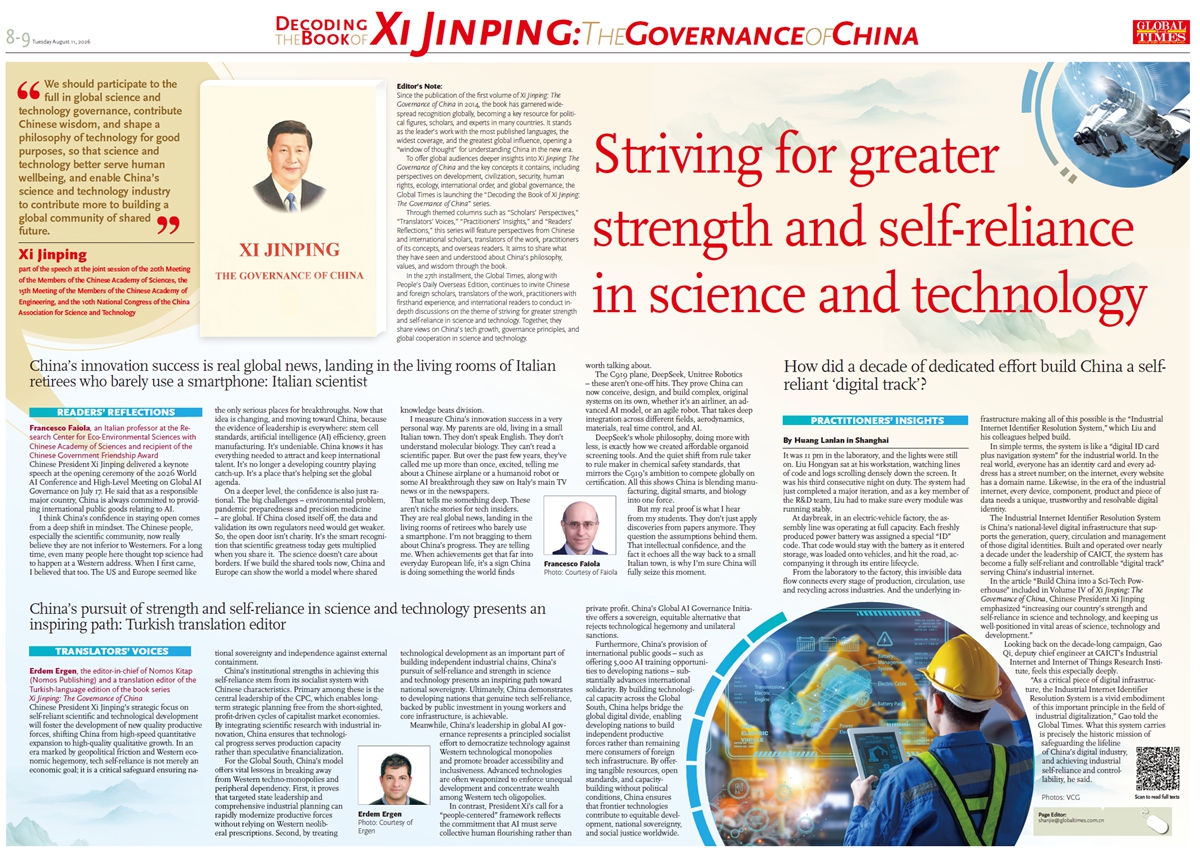
Photo: Global Times
。

B | 刷到一张卫星图的时候,我盯着看了好久。图上是南海深处的永暑礁,一条笔直的跑道横在碧蓝海面上,旁边码头、楼房、绿化带排列得整整齐齐。 谁能想到,几十年前这里还只是涨潮就没顶的一片礁盘?更让我感慨的是,这么大的动静,我们自己人里很多都说不清到底是啥时候干成的。 埋头做事、不吭声,这大概就是中国人骨子里的那股劲儿。真正把我拉进这个话题的,是2025年9月那条不算起眼的新闻——国务院批准设立黄岩岛国家级自然保护区,总面积3523.67公顷,专门保护那片珊瑚礁生态。 当时我还纳闷,好端端设个自然保护区图什么?后来才咂摸出味道来:这哪是单纯保护珊瑚,这是把管辖权从执法巡航,一路延伸到了生态治理的层面。 你在这儿划保护区、搞科考、护渔业,主权的存在就变得实实在在,谁也没法装看不见。一步棋,落子无声,却把黄岩岛这颗"南海明珠"稳稳攥在了手心。

C | 很多人对南海的印象,还停在"我们的岛老被人占、场面挺被动"这个层面。这话搁三四十年前,或许有几分道理;可要放到今天,就完全跟不上趟了。 先把家底摆清楚。南海是我国四大领海里最大的一个,总面积约350万平方公里,里头散着东沙、西沙、中沙、南沙四大群岛。 这些岛礁归谁,早有说法——1947年,我国以十一段线的方式明确了南海诸岛的归属;1953年去掉北部湾那两段,成了沿用至今的九段线,但群岛主权归属一直没变,当年国际上也没谁跳出来反对。

D | 理直,气就壮。

E | 这些年真到了动手的关口,我们从没含糊过。1974年西沙海战,一仗打下来,珊瑚岛、甘泉岛、金银岛全回来了,整个西沙群岛牢牢握在手里。 1988年赤瓜礁那一战更是干净利落,永暑、渚碧、南薰、东门、华阳连着赤瓜,一口气拿下六座礁盘。菲律宾在美济礁不死心,1995年、1998年折腾了两回,最后还是灰溜溜地退场。 到了2012年黄岩岛对峙,我们重新掌握实控权;2021年,又把之前被马来西亚盯上的琼台礁收了回来。至于开发最早的东沙,清政府1909年就从日本人手里硬生生要了回来,主权从头到尾都是中国的。 零零总总算下来,光是1988年到现在,陆续实控的岛礁就超过了40个。可你翻翻当年的报纸、问问身边的人,几乎没人能说全。

F | 这就是"只做不说"——事儿办得漂亮,声儿却压得极低。 拿回来是本事,守得住、用得好,才是真功夫。2012年海南三沙市正式挂牌,市政府就设在西沙永兴岛。 有了这个统一的抓手,南海诸岛的管理一下子理顺了。永兴岛后来跟旁边的石岛连成一片,陆域扩到3.08平方公里,机场、码头、医院、学校样样齐全,除了守岛的人,还有近千名渔民常住。 说白了,这就是长在海上的一座小城。

G | 南沙那边的变化更让人开眼。 美济、渚碧、永暑、华阳、南薰、赤瓜、东门七座礁,先后完成吹填,新增陆域差不多13平方公里。其中永暑、渚碧、美济这三处都建了机场,彼此一呼应,围出个稳稳当当的三角布局,往北跟永兴岛遥相配合,几乎把整片海域都罩在了视野里。 我特别喜欢这里头的一种智慧——不张扬,但每一步都算得死死的。

H | 你在礁上种珊瑚、养海龟、建气象站、修灯塔,看着是搞民生、搞科研,实际上桩桩件件都在夯实主权。 黄岩岛的自然保护区就是这个路数的延续。海警船常态化在那片海域巡航执法,既护住了原生的美,也让"这是中国的"这句话,落到了看得见摸得着的地方。收回的礁、扩建的岛、划设的保护区,一环扣一环,慢慢织成了一张覆盖南海的大网。

I | 当然,实话实说,南海的事儿还没到画句号的时候。眼下越南占着的岛礁最多,有29个,南威岛、鸿庥岛、毕生礁都在其中;菲律宾手里攥着中业岛、南钥岛、费信岛等8处;马来西亚控制着弹丸礁、光星仔礁、簸箕礁等5处;文莱则占着南通礁。 再加上域外那些爱搅局的,局面确实复杂。但化解矛盾这事儿,我们信的从来是坐下来谈,而不是掀桌子干。 在不久前的中国—东盟外长会上,我方明确讲,南海是地区国家共同的家园,这个问题不该成为中国和东盟之间的障碍,双方完全有智慧、有本事把维护和平稳定的主导权,牢牢掌握在自己手里。

J | 东盟各国的外长也纷纷响应,都盼着能早日把"南海行为准则"谈拢,让这片海真正成为合作之海、友谊之海。 台湾地区在南海同样握有东沙、太平岛这样的重要据点,两岸在维护中华民族祖产这件大是大非上,其实站在同一条线上。写到这儿,我心里那股别扭劲儿反倒踏实了不少。 从西沙到南沙,从海上制胜到吹沙建岛,再到如今拿生态保护、规则协商去巩固成果,中国走的一直是那条稳扎稳打的路——手里得有硬家伙,心里得存和平的念想。

K | 四十多座岛礁悄悄归位,靠的不是响亮的口号,是一天接一天的埋头苦干。 低调,不代表软弱;不说,不代表没做。随着"南海行为准则"的磋商提速,随着家底越来越厚,我打心底相信,这片辽阔的蓝色国土,往后的日子只会更安稳,也一定会有更多离散的岛礁,重新回到祖国的怀抱。返回,查看更多。
Current article:http://tnba.chuaiguonengdonggai.buzz/z4j/r5cfy79.html
Published on:06:58:23